THE AGES OF HUMAN HISTORY

HISTORICAL ERAS

━━━━━ ✦ ━━━━━

Journey through the great ages of humanity, from prehistoric communities and the first civilizations to the interconnected modern world.

A JOURNEY THROUGH TIME

The Ages That Shaped Humanity

History is often divided into broad eras to help us understand enormous stretches of time. Each era brought changes in technology, society, politics, culture and human knowledge. Explore these periods and discover how one age gradually gave way to another.

Explore The Eras

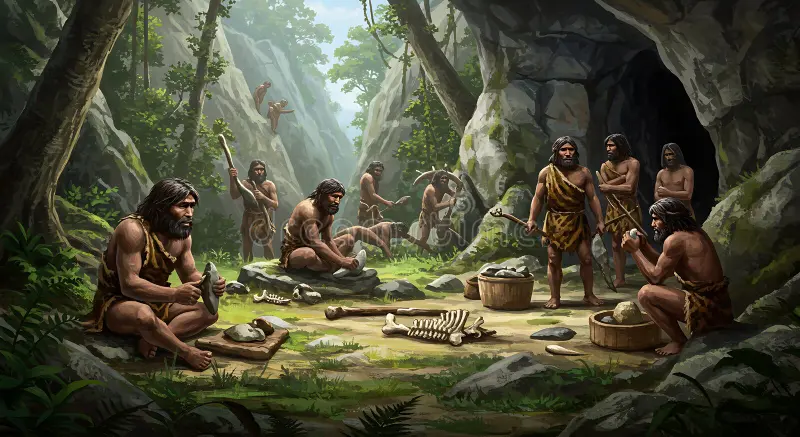
Prehistoric Era
I BEFORE WRITTEN HISTORY

Prehistory

Before c. 3000 BCE

The immense period before the widespread use of written records. Humans developed tools, mastered fire, formed communities and gradually developed agriculture.

Key Developments: Stone tools, fire, agriculture and permanent settlements.

Major Transition: The emergence of farming and increasingly settled societies.
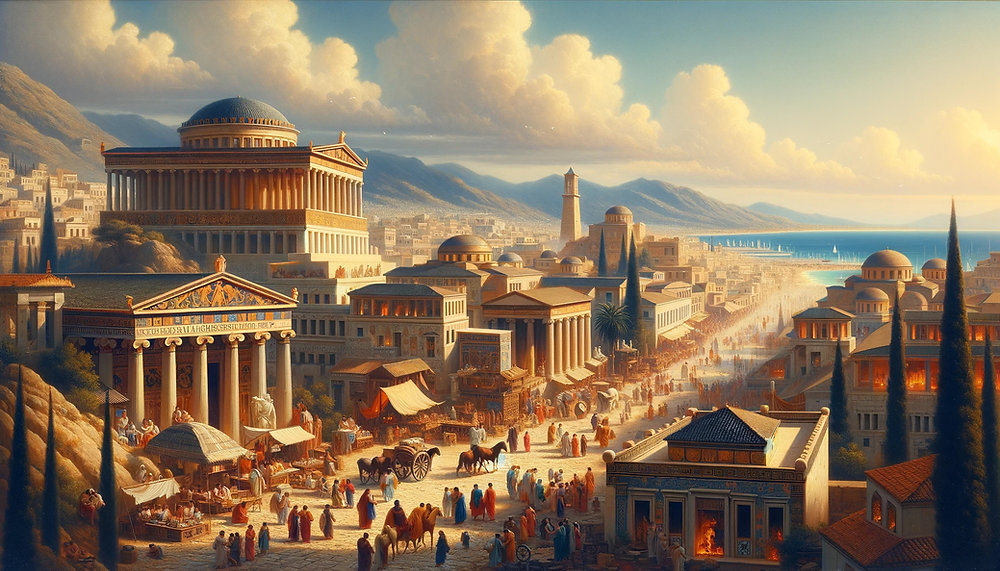
Ancient Era
II FIRST CIVILIZATIONS

Ancient Era

c. 3000 BCE – 500 CE

The rise of cities, kingdoms and large civilizations across regions including Mesopotamia, Egypt, the Indus Valley, China, Greece and Rome.

Key Developments: Writing, cities, states, monumental architecture and organized law.

Notable Civilizations: Egypt, Mesopotamia, Indus Valley, Persia, Greece, Rome and China.

Classical Era
III AGE OF CLASSICAL CIVILIZATIONS

Classical Era

c. 500 BCE – 500 CE

A period associated with influential civilizations and intellectual traditions in the Mediterranean, South Asia and East Asia.

Key Developments: Philosophy, political thought, literature, science and mathematics.

Major Centers: Greece, Rome, Persia, India and China.

Medieval Era
IV THE MIDDLE AGES

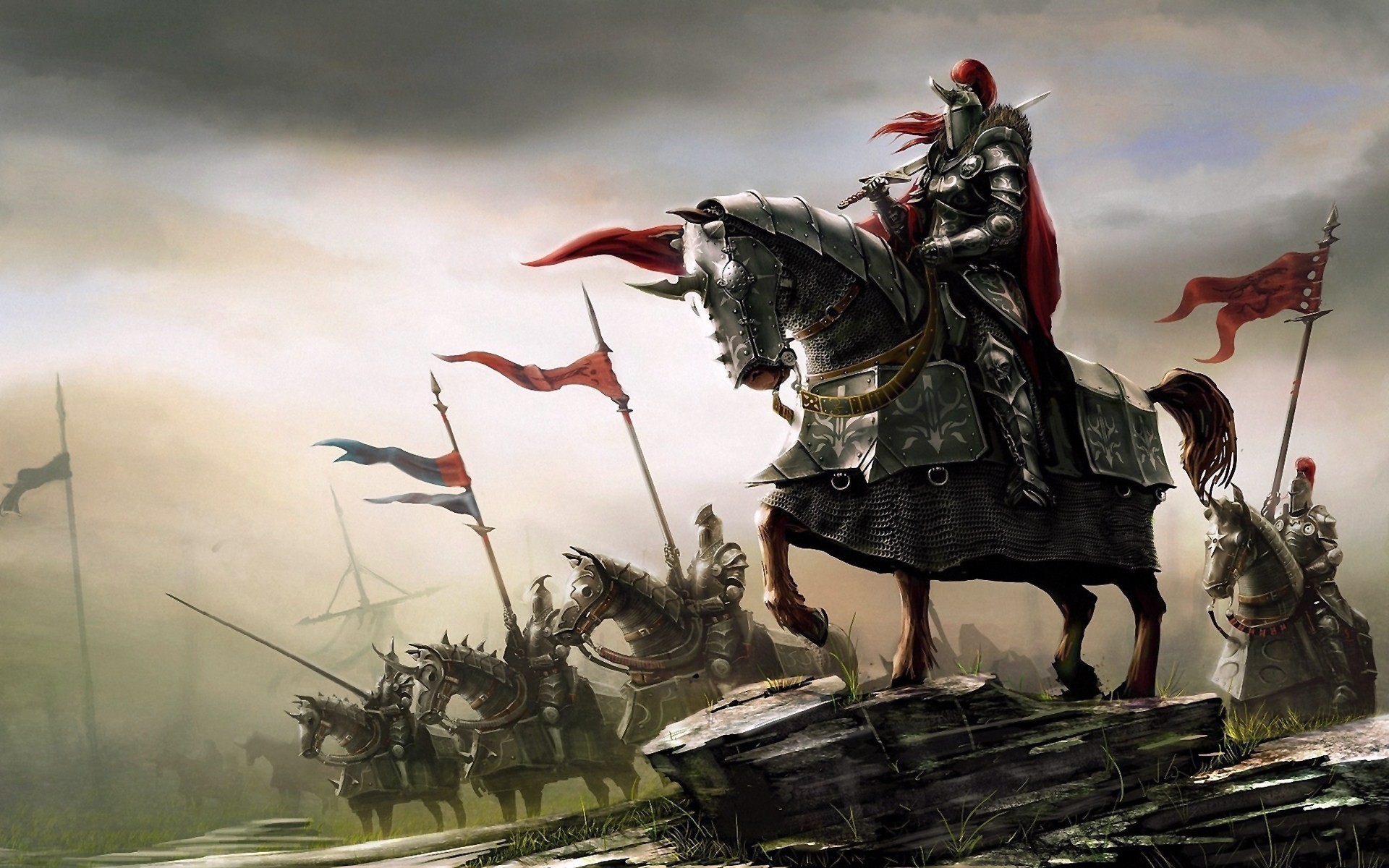
Medieval Era

c. 500 – 1500 CE

A broad period marked by powerful kingdoms, expanding trade networks, religious institutions, scholarship and the growth of cities.

Key Developments: Long-distance trade, universities, new technologies and expanding empires.

Major Centers: Europe, the Islamic world, India, China and Africa.

Early Modern Era
V AGE OF TRANSFORMATION

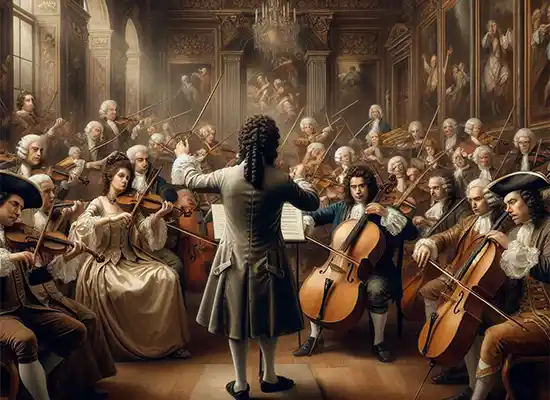
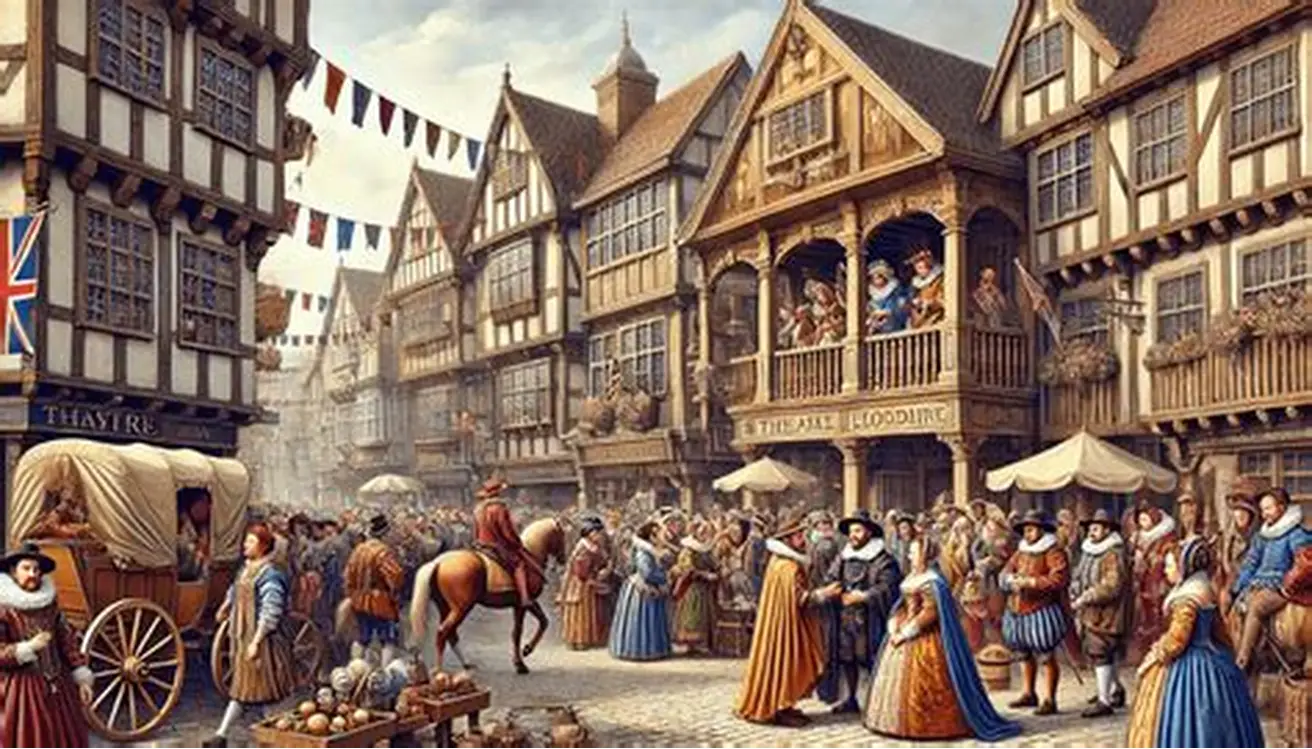
Early Modern Era

c. 1500 – 1800 CE

An era of major political, scientific and economic transformation. Global maritime connections expanded while states became increasingly centralized.

Key Developments: Renaissance, printing, scientific revolution and global exploration.

Major Themes: Empire-building, trade, science, state formation and cultural change.

Modern Era
VI THE MODERN WORLD

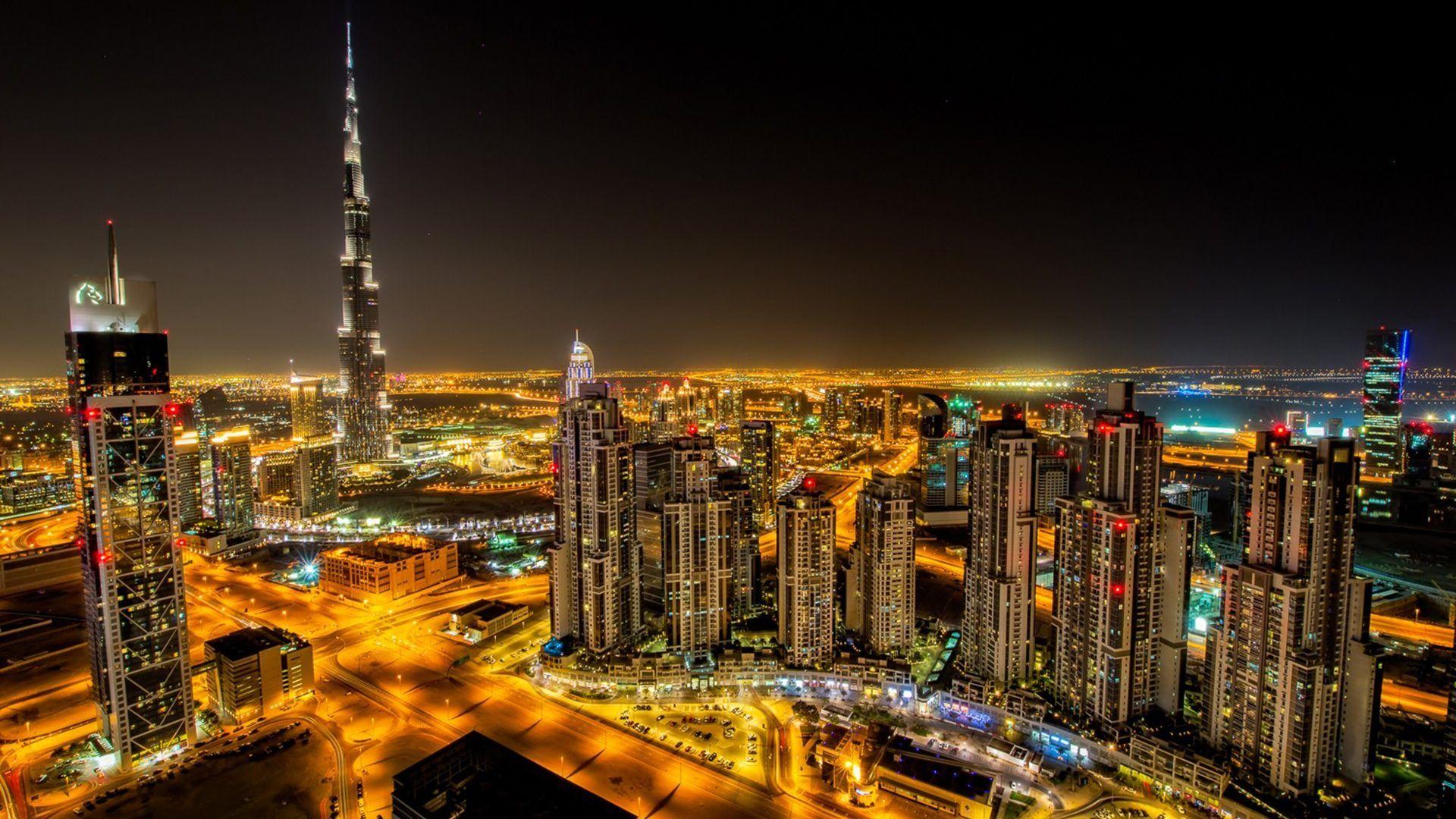
Modern Era

c. 1800 – Present

An age of industrialization, nationalism, mass politics, scientific advancement, world wars and unprecedented global communication.

Key Developments: Industrialization, modern science, mass communication and technology.

Major Events: World wars, decolonization, space exploration and the digital revolution.

From Age To Age

I

Prehistory

Human origins, tools and early settlements.

II

Ancient

Cities, writing and the first great civilizations.

III

Classical

Philosophy, empires and classical traditions.

IV

Medieval

Kingdoms, trade networks and intellectual centers.

V

Early Modern

Exploration, science and expanding global connections.

VI

Modern

Industry, technology and the interconnected world.

History Has No Single Clock

The boundaries between historical eras are approximate and can vary between regions and historians. Different societies experienced major changes at different times, so these divisions are useful frameworks rather than exact borders.

EDUCATIONAL DISCLAIMER

A Note About This Project

History Explorer is an independent educational project developed as part of a Diploma course. It is created solely for educational and informational purposes and is not intended for commercial use.

Historical information presented on this website has been compiled for learning and general reference. While reasonable care has been taken in preparing the content, some information may be simplified, incomplete, or subject to historical interpretation. Readers are encouraged to consult authoritative academic and historical sources for detailed or scholarly research.

This project does not intend to offend, misrepresent, or promote any particular culture, religion, belief, community, or historical perspective.